
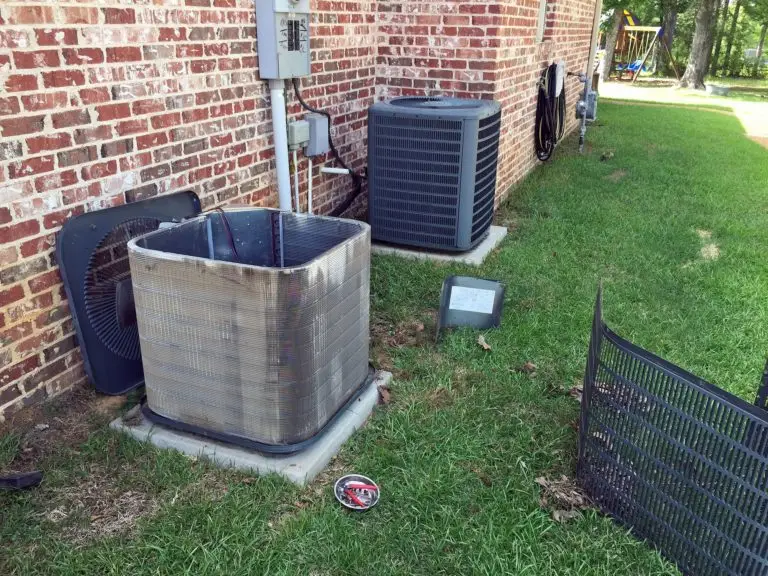
AC Tune Up Checklist and More for Homes in York, PA
Summer’s coming. Is your air conditioner ready for the job?
The best way to be sure is with an AC tune up in the spring. Like maintenance for your furnace, it’s cheaper and less hassle than having to make an emergency call because something’s gone wrong.
Air Comfort went into detail here about why an AC tune up is worth the price. But what do you get for it?
This article will go into the checklist Air Comfort uses for each maintenance visit. Air Comfort will also dive into a few of the items on there. Then, Air Comfort will quickly review why it’s worth the money.
AC Tune-Up Checklist for York, PA
Our AC tune-up checklist includes:
Our AC Tune-Up Checklist
- Electrical Components: Check and tighten all electrical connections Inspect capacitors and contactors for wear Test voltage and amperage on all motors Inspect control board and wiring for damage Check disconnect box and circuit breaker
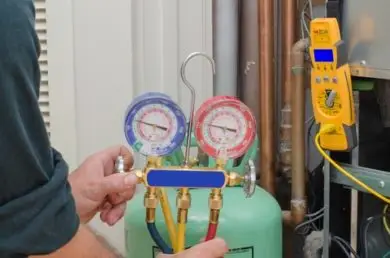
- Refrigerant System Check: Refrigerant level and pressure Inspect refrigerant lines for leaks Check for signs of refrigerant oil indicating a leak Verify superheat and subcooling readings
- Coils and Airflow: Inspect evaporator coil Inspect condenser coil Check evaporator coil for ice or frost Measure temperature differential across evaporator coil Check blower wheel Measure airflow at supply and return vents
- Condensate System: Clear condensate drain line Check condensate pan for cracks or corrosion Verify condensate pump operation if present Check for signs of water damage around air handler
- Thermostat and Controls: Calibrate thermostat Test all thermostat functions including cooling heating and fan modes Check smart thermostat programming if applicable Verify temperature differential between supply and return air
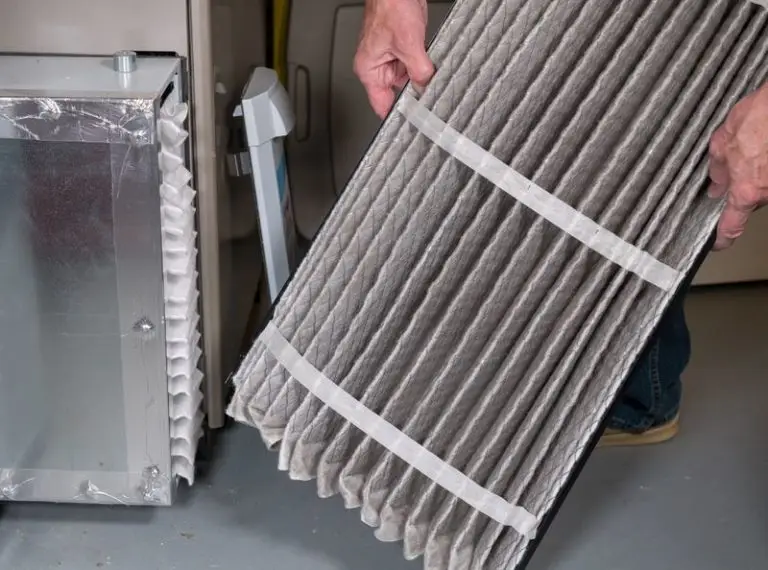
- Filter and Air Quality: Inspect the air filter (replacement is an extra cost) Check ductwork for visible leaks or damage Inspect air handler cabinet for mold or debris
- Overall System Performance: Record system operating pressures and temperatures Compare to manufacturer specifications Test system startup and shutdown cycles Verify system reaches set temperature efficiently Provide written report of findings and recommendations
- Keep the outdoor unit clear. Make sure there is at least two feet of clearance around your outdoor condenser unit. Remove leaves grass clippings and debris regularly. Trim any shrubs or plants that are growing too close to the unit.
- Check your condensate drain. Pour a cup of water into your condensate drain pan occasionally to make sure it drains freely. A clogged condensate drain causes water damage and mold growth.
That’s a lot to take in. Most of these boil down to inspecting mechanical and electrical parts to make sure nothing is worn-out or broken. Air Comfort also looks for dust, dirt and debris that can affect performance and explains anything that needs cleaning or repair, quoted separately.
And, Air Comfort will go over a few more key points here.
Lubricate All Moving Parts
You’ve heard the phrase “the squeaky wheel gets the oil.” Well, Air Comfort oils it before it makes a sound.
Lubricating all the mechanical or moving parts means they’re less likely to wear down and break. And, the system uses less electricity when everything’s working smoothly.
Confirm Refrigerant Levels
First of all: If you need a refrigerant recharge, there’s a problem somewhere. That coolant fluid runs in a closed loop, so it should never run out. Low levels indicate a leak.
It’s something to keep in mind in case someone ever offers to “top off” your system or only do a recharge. If you go for it, that tech will only be back later when you inevitably need more.
And, it’s a bigger deal right now for older units.
Click to Schedule an Appointment
In most cases, Air Comfort can fix the problem and add refrigerant liquid. But, units over a decade old use R22 Freon, which isn’t easy to find anymore.
Starting 2010, all new ACs used a different coolant, and the EPA began phasing out R22. Today, there’s still some supply out there. But, manufacturers don’t make it anymore, so it’s hard to find and often expensive.
As a result, it’s usually more cost-effective for you to replace an older unit with a leak than to repair it and pay extra for the recharge.
An AC that uses R22 is already over a decade old. So, you’re likely better off investing in a new unit anyway. It’ll last longer and will use less energy. But, if it comes to this, Air Comfort will talk you through the options.
Calibrate the Thermostat
You’d be surprised at how many cooling or heating issues stem only from a thermostat not working correctly. The problem can be anything from someone not changing the settings from season to season, to inaccurate temperature readings.
People are pleasantly surprised when Air Comfort just tinkers with their thermostat rather than hit them with a big repair bill for their air conditioner. But, there’s still no reason to go through a few uncomfortably hot days in the summer.
So, an AC tune up includes making sure your thermostat is getting the right readings. It’s an essential first step in keeping your home cool all summer.
Three Big Benefits of Air Conditioner Maintenance
Three reasons air conditioner maintenance is worth the money are:
- Fewer Breakdowns
- Lower Energy Bills
- Better Comfort
Air Comfort touched on a few of the ways you benefit from preventive maintenance already. But, here’s a closer look:
Fewer Breakdowns
Catching problems early can lower the chance of a breakdown later in the season. Maybe you made it through last summer with a misaligned fan or worn-out belt. But, those problems will only get worse.
And, they’re likely to cause more damage in the process. Plus, the cost of an inspection and tuneup is much less than getting it fixed during peak times.
In the dead of summer, you may have to pay extra for priority service. Otherwise, it’s first-come-first-served, and the best HVAC companies will have backlogs.
Lower Energy Bills
An optimized AC system requires less electricity to do the job properly. When all the parts are in great shape, all the electrical components are firing, and all the mechanical elements are moving easily, you need less power overall.
And, using less power means paying less each month on your electric bills.